z80 (33)
Retro Challenge - Challenge Complete
With over 24 hours to go before the end of July deadline the final piece of the puzzle fell in to place!

But, first, a quick catchup from the last blog post;
Retro Challenge - Finishing Post Within Sight
Despite a late start today, things have gone well so I actually feel like I'm ahead of the game right now. Certainly not finished, but with most of the major hurdles now behind me, the only thing left is writing a bit of Z80 assembler code. And even that is starting to look manageable.
Retro Challenge - PCBs arrived and built
So, exactly 3 weeks after they were ordered, the PCBs from OSHPark arrived today. It's just as well, as I was running low on things to do without them, and with just 6 days left of the Retro Challenge I would have struggled to finish in time.
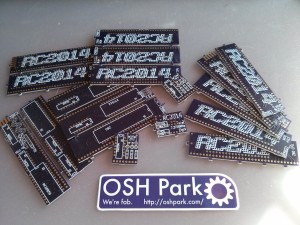
Well, that's my weekend planned out for me now!
Retro Challenge - Matrix Interface Finished
Just a little update as I've only done a little bit of work on the Z80 this evening;
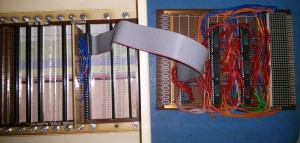
The LED matrix board now plugs in to my Z80 backplane!
Retro Challenge - Z80 Assembler Breakthrough
Sorry I've not made any updates for a couple of days, but there's not been much of significance to report of late. Until today, that is. Although, as far as the PCBs I'm waiting for are concerned, the only news to report there is that there is no news to report. I will report tomorrow if there is news to report on this or not.
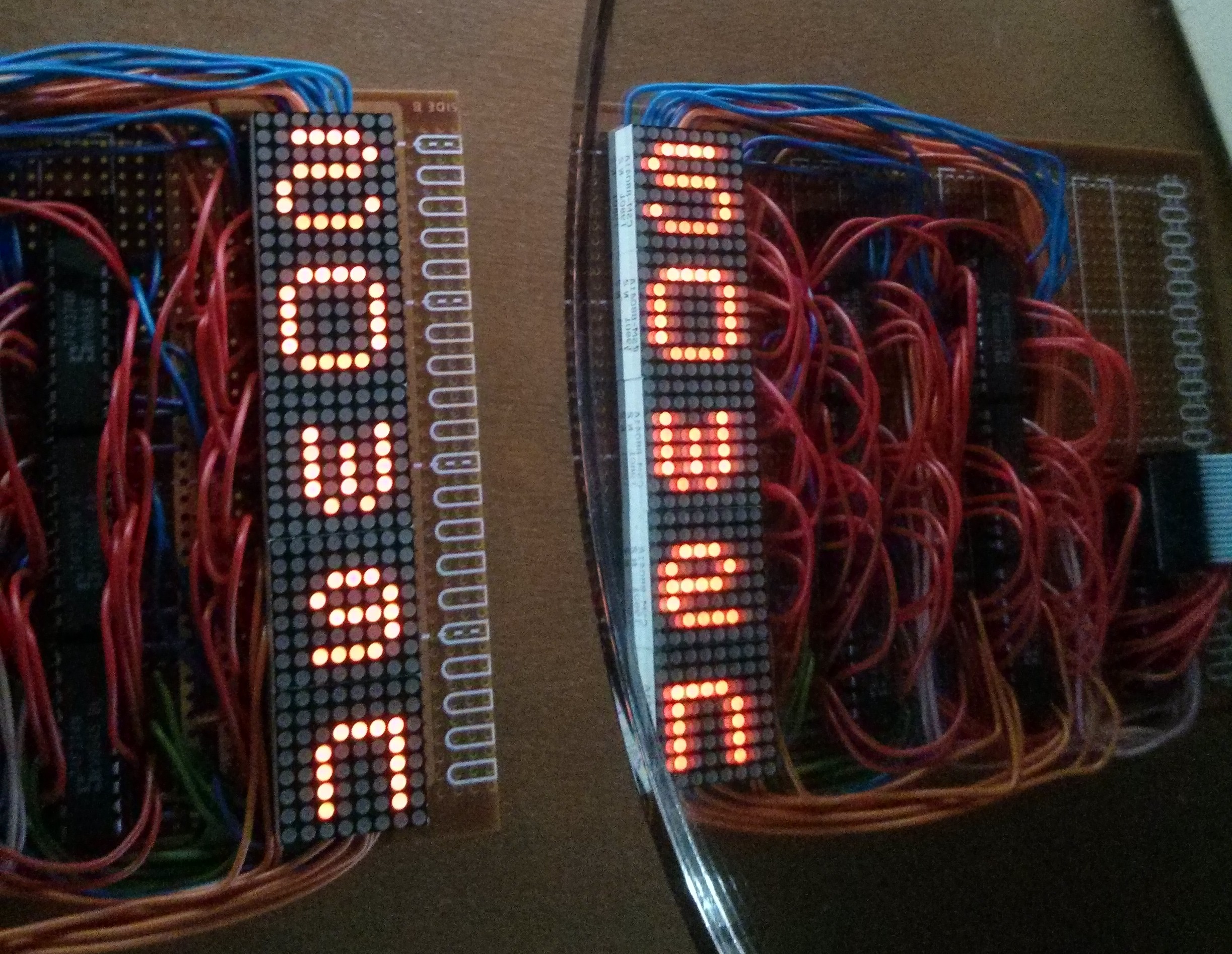
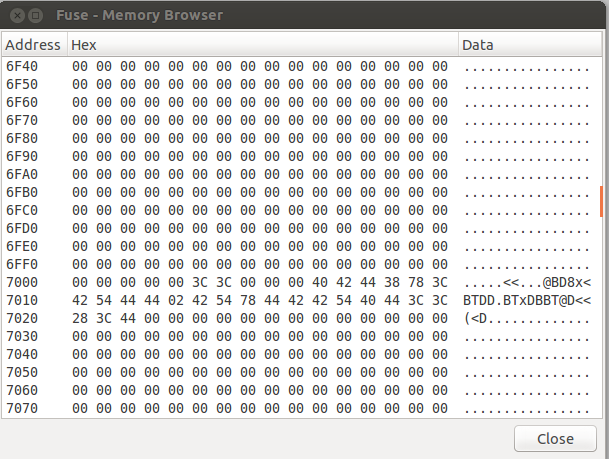
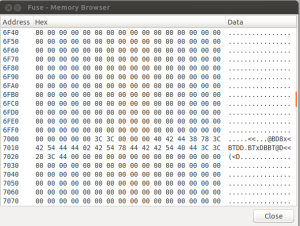
I have, however, been plodding away at teaching myself Z80 assembler language. And with some progress too! I've managed to pass the first major milestone with the code I'm writing to display text on the LED matrix displays! It basically, looks at some text stored in a memory location, then looks up each character in turn on the ASCII character map that I lifted from a ZX Spectrum ROM, and puts each line in every 5th byte in a different location. This new location is essentially a 40 byte screen map for the matrix
Retro Challenge - The Matrix Reloaded
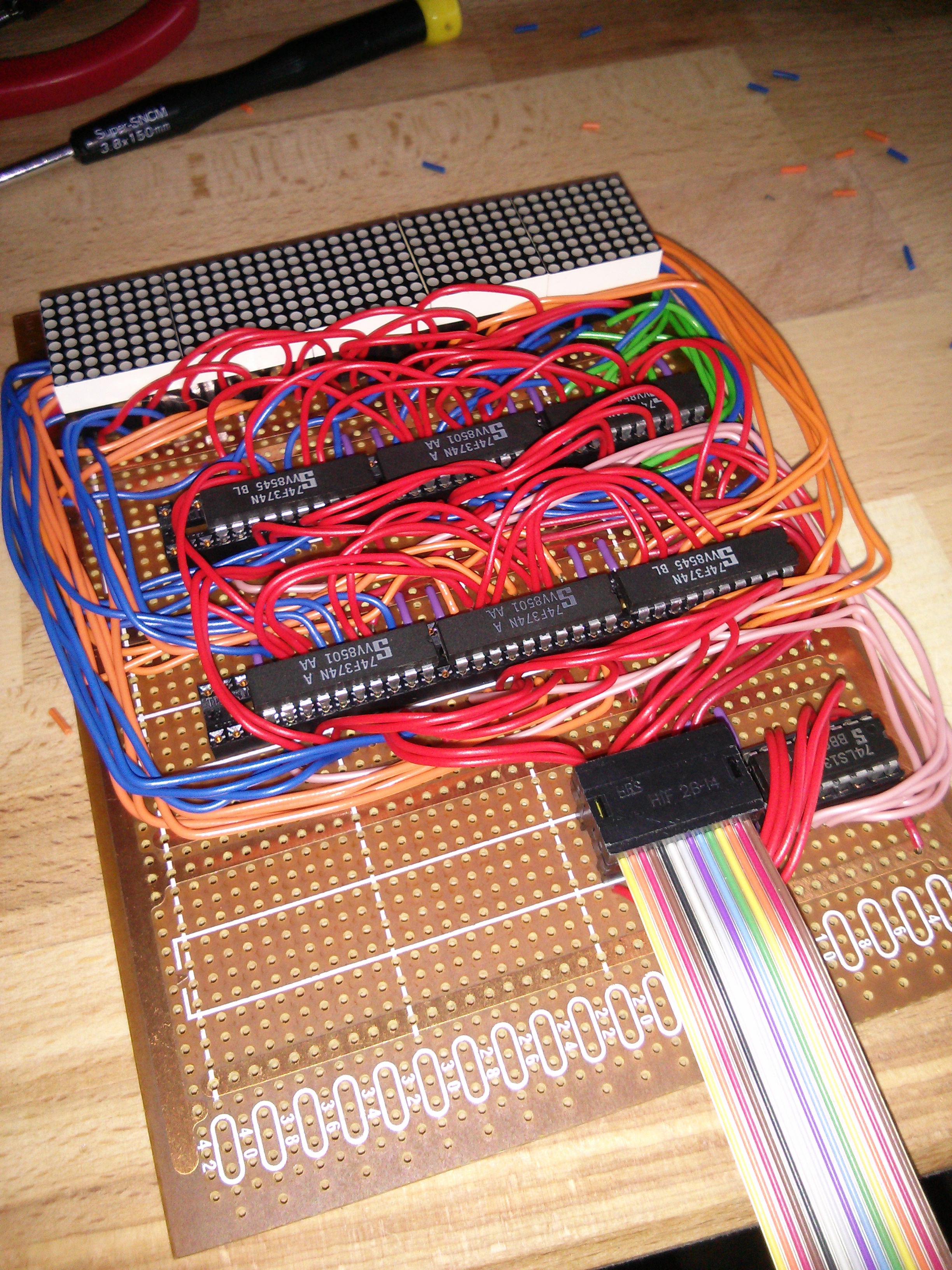
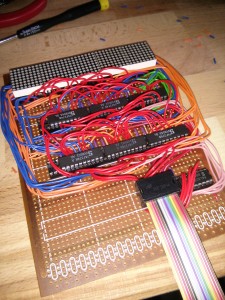
The 5 matrix board has now been finished. And no one could be more relieved than me. There's a LOT of soldering going on in there!
Retro Challenge - New IDEa
just a quick update about my Z80 development environment.
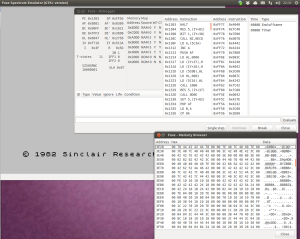
If you look down a couple of blogs, you'll see that I found an online Z80 emulator and I'd written a couple of bits that executed in it, so I was going to do my Z80 learning and development on that. However, there were two issues. The first being that it didn't run on Chrome on my Linux PC at home (but did on Chrome on Windows at work). The second issue is that it isn't a Z80 emulator, it's a 8080 emulator. I didn't think this would be a problem as they pretty much run the same instruction set, although the 8080 has a sub-set of the Z80 (well, technically, as the 8080 came first, the Z80 has an expanded instruction set), and I quite quickly came across an instruction that wasn't supported. Bugger! That's messed up that plan.
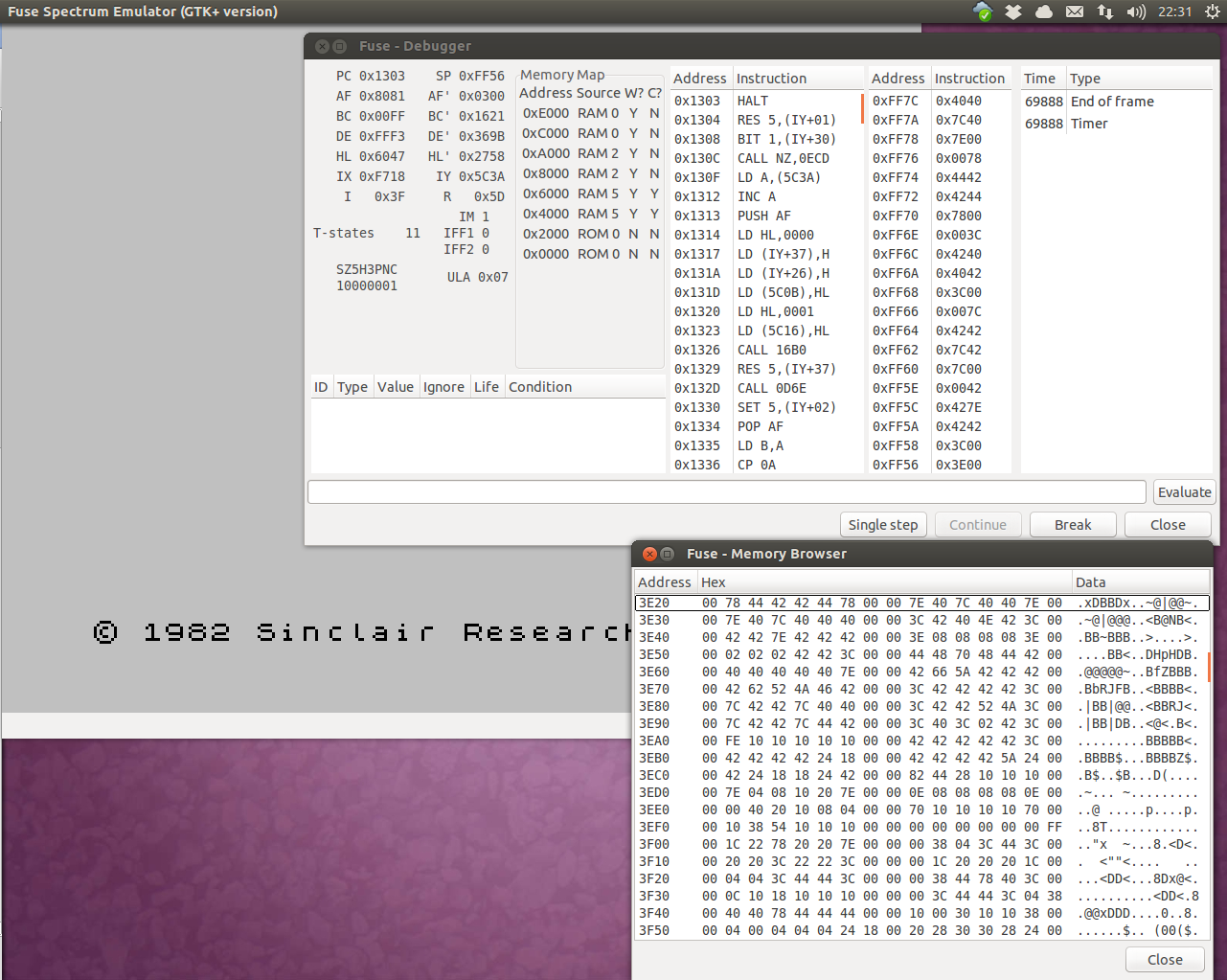
Then I remembered I have Fuse which is a ZX Spectrum emulator running on my Linux PC. There are oodles of menus and options which I've never looked at, but thought it worth a poke (no pun intended) about with.
Retro Challenge - Half-time Catch-up
We're at the halfway mark of the Retro Challenge, and there's a slight lull in activity, so this seems like a good chance to catch up on what's been done so far, and what's still to come.
Firstly, a quick review of the challenge I set myself; write my name in LED lights. These must, however, be controlled by a Z80 computer, which I've got to design and build myself, and written in assembly language which I need to learn.
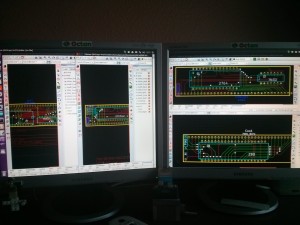
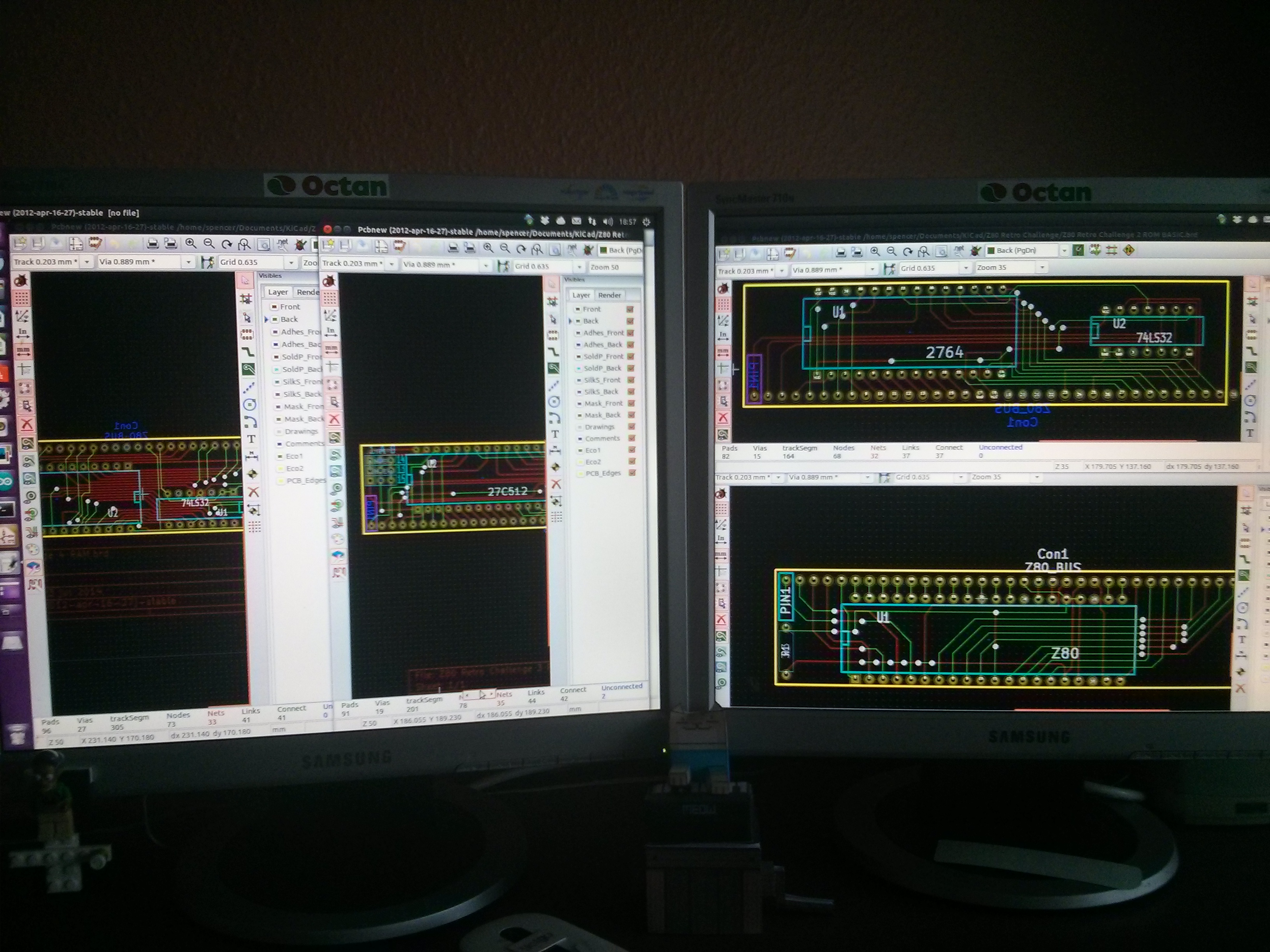
Well, the start of the challenge saw me dive headlong in to KiCad, learning some of the intricacies of printed circuit board layout. I'd used KiCad for a couple of little projects before, but certainly wouldn't have described myself as competent. I'm still not a master of it, but I'm a lot more familiar with it than I was.
I split my breadboard based Z80 down in to several modules, each of which will plug in to a Veroboard backplane. 6 of these have been designed and sent off for manufacture which will give me a basic Z80 computer that I can use via a terminal emulator. The boards are;
- CPU
- Eprom (for BASIC eprom)
- Eprom (for my Z80 code)
- RAM
- Clock
- Serial I/O